Table of Contents
- Introduction
- What Triggered Operation Sindoor?
- Pakistan Rafale Claims Explained
- Why Evidence Matters in Modern Warfare
- India’s Response to Pakistan Rafale Claims
- The Role of Open-Source Intelligence
- Why the Debate Continues
- Conclusion
Pakistan Rafale Claims have remained one of the most debated topics following Operation Sindoor. More than a year after the military confrontation between India and Pakistan, questions continue to surround claims that multiple Indian Rafale fighter jets were shot down.
The controversy persists because modern conflicts are increasingly documented through satellite imagery, social media videos, radar tracking, and open-source intelligence. In such an environment, evidence plays a crucial role in determining the credibility of military claims.
As a result, Pakistan Claims continue to face scrutiny from analysts, journalists, and defense observers.
What Triggered Operation Sindoor?
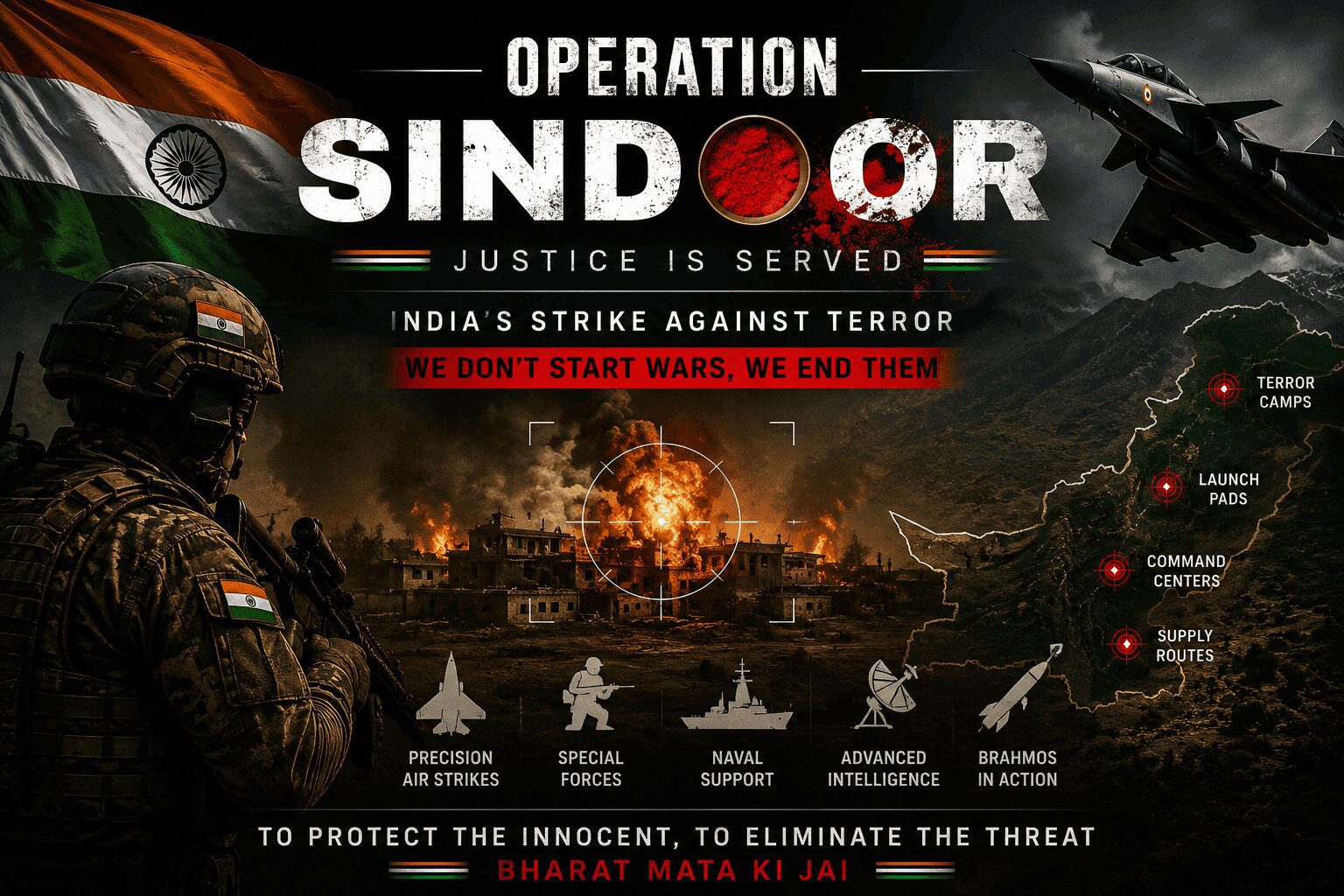
Operation Sindoor was launched after the deadly terrorist attack in Pahalgam, Jammu and Kashmir, where 26 innocent tourists lost their lives and many others were injured.
The attack triggered nationwide outrage across India. Public pressure mounted for strong action against terrorist organizations believed to be operating across the border.
India stated that Operation Sindoor was focused on terrorist infrastructure and militant camps. According to official statements, the objective was to eliminate terrorist threats while avoiding a wider military conflict.
However, tensions escalated after military exchanges between the two countries.
Pakistan Rafale Claims Explained
During and after the confrontation, Pakistan Rafale Claims became a major talking point.
Pakistani officials and media outlets claimed that several Indian aircraft, including Rafale fighter jets, had been shot down during aerial engagements.
The Rafale is one of the most advanced fighter aircraft in the Indian Air Force and plays a vital role in India’s defense strategy.
Because of the aircraft’s importance, Pakistan Rafale Claims quickly attracted international attention.
However, despite repeated assertions, no publicly verified evidence has emerged that conclusively proves multiple Rafale losses.
Why Evidence Matters in Modern Warfare
The credibility of Pakistan Rafale Claims largely depends on evidence.
Modern warfare is different from conflicts of previous decades. Today, military events are often captured by:
- Satellite imagery
- Mobile phone videos
- Social media posts
- Open-source intelligence platforms
- Radar tracking systems
Because information spreads rapidly, major military losses are difficult to conceal.
This is why many analysts argue that extraordinary claims require extraordinary evidence.
Without independently verified proof, Pakistan Rafale Claims continue to face skepticism.
India’s Response to Pakistan Rafale Claims
IAF has consistently rejected these Claims and maintained that Operation Sindoor achieved its objectives.
Indian authorities highlighted evidence related to strikes on terrorist infrastructure and military targets.
Videos from various locations in Pakistan circulated online showing explosions, damaged facilities, and eyewitness reports of military activity.
Supporters of India’s position argue that while numerous visuals emerged regarding strikes inside Pakistan, comparable evidence supporting Pakistan Rafale Claims has not appeared publicly.
The Role of Open-Source Intelligence
Open-source intelligence, often referred to as OSINT, has transformed the way military conflicts are analyzed.
Independent researchers now use satellite images, flight tracking data, geolocation tools, and publicly available videos to verify military events.
The rise of OSINT means that Pakistan Rafale Claims are examined not only by governments but also by independent experts worldwide.
This level of scrutiny makes verification increasingly important.
Why the Debate Continues
The debate surrounding Pakistani Claims continues because definitive evidence has not been presented publicly.
Supporters of the claims argue that not all military information becomes public immediately.
Critics counter that in today’s digital age, major aircraft losses typically leave behind significant evidence.
As long as questions remain unanswered, Pakistani Claims are likely to remain a topic of discussion among defense analysts and geopolitical observers.
Pakistan‘s Claims remain one of the most controversial aspects of Operation Sindoor.
While competing narratives continue to circulate, the discussion ultimately centers on evidence and verification. In an era dominated by digital technology, satellite imagery, and open-source intelligence, military claims face unprecedented scrutiny.
Until independently verified evidence emerges, the debate over Pakistan Rafale Claims is likely to continue.
